
mini led mirror
Understanding Pin Gauge Sizes A Comprehensive Guide Pin gauges, also known as pin gauges or pin gages, are precision measuring tools used in various industries to measure the diameter of holes and slots, ensuring that they meet specified tolerances. These tools are simple in design yet crucial for quality control, engineering, and manufacturing processes. Understanding pin gauge sizes is essential for selecting the right tool for your measurement needs . Pin gauges come in a range of sizes, each designated for specific applications. They are typically manufactured according to international standards, which allows for uniformity and interchangeability. The sizes of pin gauges are often specified in either imperial or metric measurements, with a wide variety of diameters available. For instance, a standard set may include sizes ranging from 0.5 mm to 25 mm in metric and from 0.01 inches to 1 inch in imperial measurements. The accuracy of pin gauges is critical; they are designed to a high level of precision, often within a tolerance of ±0.01 mm or ±0.0005 inches. This precision is vital in industries such as aerospace, automotive, and manufacturing, where even the slightest deviation can lead to catastrophic failures or malfunctioning of parts. For this reason, pin gauges are often made from durable materials like stainless steel, ensuring that they can withstand wear and maintain their accuracy over time. pin gauge sizes In practical applications, pin gauges are used to perform go/no-go tests. The go gauge should fit into the hole or slot easily, while the no-go gauge should not. This simple testing method helps in quickly assessing whether a feature of a part conforms to its specifications. By employing a range of pin gauges, engineers can determine if the diameter falls within the desired tolerance range. Moreover, the use of pin gauges extends beyond mere measurement. They are also utilized to calibrate other measuring instruments and to check the functionality of tooling equipment. The gauges are often organized in sets, which can be either individual pins or as part of a more comprehensive measurement kit. Sets may include various sizes, allowing users to test multiple specifications simultaneously. In conclusion, understanding and utilizing pin gauge sizes is an integral part of ensuring precision in measurements across various engineering and manufacturing applications. By familiarizing oneself with the available sizes and their specific applications, professionals can enhance their quality control processes, ultimately leading to better product outcomes and increased efficiency in operations. Whether you are an engineer, machinist, or quality control technician, having the right set of pin gauges will significantly impact your work's accuracy and reliability.
about
mini led mirror
Replacing the Pressure Valve on Your Water Heater Water heaters play a crucial role in our daily lives, providing us with the hot water we need for showers, cooking, and cleaning. However, like any appliance, they can encounter problems over time. One common issue is a malfunctioning pressure relief valve, which is essential for preventing excess pressure buildup within the heater. In this article, we will discuss how to identify the need for a replacement and the steps involved in replacing the pressure valve on your water heater. Understanding the Pressure Relief Valve The pressure relief valve is a safety device designed to release excess pressure from the water heater. Under normal operating conditions, it allows steam or water to escape if the pressure exceeds a predetermined level, thus preventing possible explosions or damage to the unit. Typical indicators of a malfunctioning pressure relief valve include water leaking from the valve or a hissing sound coming from the heater. Signs You Need to Replace Your Pressure Relief Valve 1. Visible Water Leakage If you notice water pooling around the valve or drips coming from it, this could indicate that the valve has failed and needs replacement. 2. Excessive Pressure Release A valve that frequently releases water, even when the heater is not under heavy use, can signify that it is no longer functioning correctly. 3. Old Age If your water heater is more than 5-10 years old, it’s a good idea to inspect the pressure valve, as it may have reached the end of its life cycle. 4. Discoloration or Corrosion If you see rust or corrosion on the valve, it might be time to replace it to prevent further complications. Steps to Replace the Pressure Relief Valve replacing pressure valve on water heater Tools and Materials Needed - Adjustable wrench - Teflon tape - Bucket or towel for spills - New pressure relief valve (ensure it matches the specifications of your existing one) Step 1 Turn Off the Water Heater Before starting any maintenance, make sure to turn off the power supply to the water heater. If it’s an electric water heater, unplug it or switch off the circuit breaker. For gas heaters, turn the thermostat to the ‘vacation’ or ‘off’ setting. Step 2 Shut Off the Cold Water Supply Locate the cold water supply valve at the top of the water heater and turn it off. This will prevent new water from entering the tank. Step 3 Drain the Tank Using a bucket or hose, drain a small amount of water from the tank to reduce pressure. There should be a drain valve at the bottom of the heater. Open it and let water flow until the pressure is adequately relieved. Step 4 Remove the Old Valve Using your adjustable wrench, carefully unscrew the old pressure relief valve from its housing. Be cautious to avoid damaging the threads. Step 5 Install the New Valve Apply Teflon tape to the threads of the new pressure relief valve to ensure a proper seal. Screw it into place, making sure it is tight but not overtightened, as that could cause damage. Step 6 Restore Water Supply and Power Turn the cold water supply back on and allow the tank to fill. Once it’s full, check for leaks around the new valve. If there are no leaks, you can restore power to the heater. Step 7 Test the Valve After everything is back in position, test the new pressure relief valve by lifting the lever. You should hear a hissing sound as water is released, indicating it’s functioning properly. Conclusion Replacing the pressure relief valve on your water heater is a manageable task that can enhance the safety and efficiency of your appliance. By being attentive to signs of malfunction and following the steps outlined above, you can ensure that your water heater continues to operate safely for years to come. If you feel uncomfortable performing this task yourself, don’t hesitate to call a professional plumber. Your safety is paramount!
-

High quality industrial productsagement

High quality industrial products
View Details -

Meet the diverse needs of customers

Meet the diverse needs of customers
View Details -

Strict quality control

Strict quality control
View Details -

Top raw materials

Top raw materials
View Details -

Trusted supplier

Trusted supplier
View Details
Our application

news and information

vibration mounting pad
The Importance of Vibration Mounting Pads in Industry In today's fast-paced industrial environment,
Van cửa niêm phong mềm điện
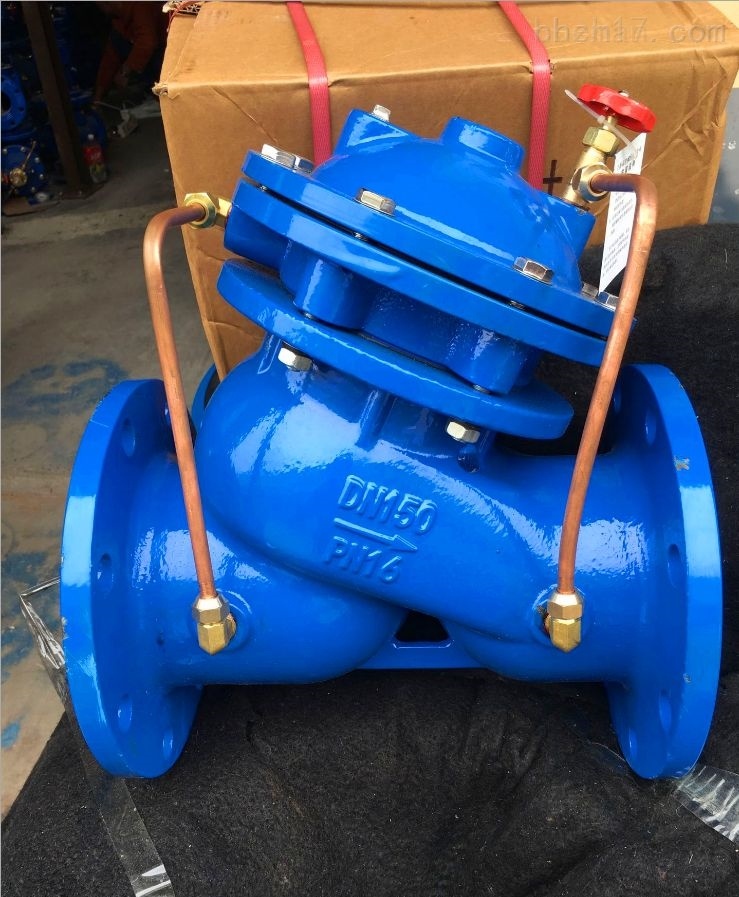
Van cổng 150mm, một trong những sản phẩm quan trọng trong ngành công nghiệp, đóng vai trò tối ưu hóa
Water Hose Shutoff Valve for Easy Control and Efficient Watering Solutions
The Importance of a Water Hose Shut-Off Valve A Garden Essential In the world of gardening and outdo
 English